
Des vins et des personnalités authentiques
|
AccueilGrands Vins d'Arbois Vignerons depuis 1879 Plus d'un siècle de médailles décernées par le Ministère de l'Agriculture
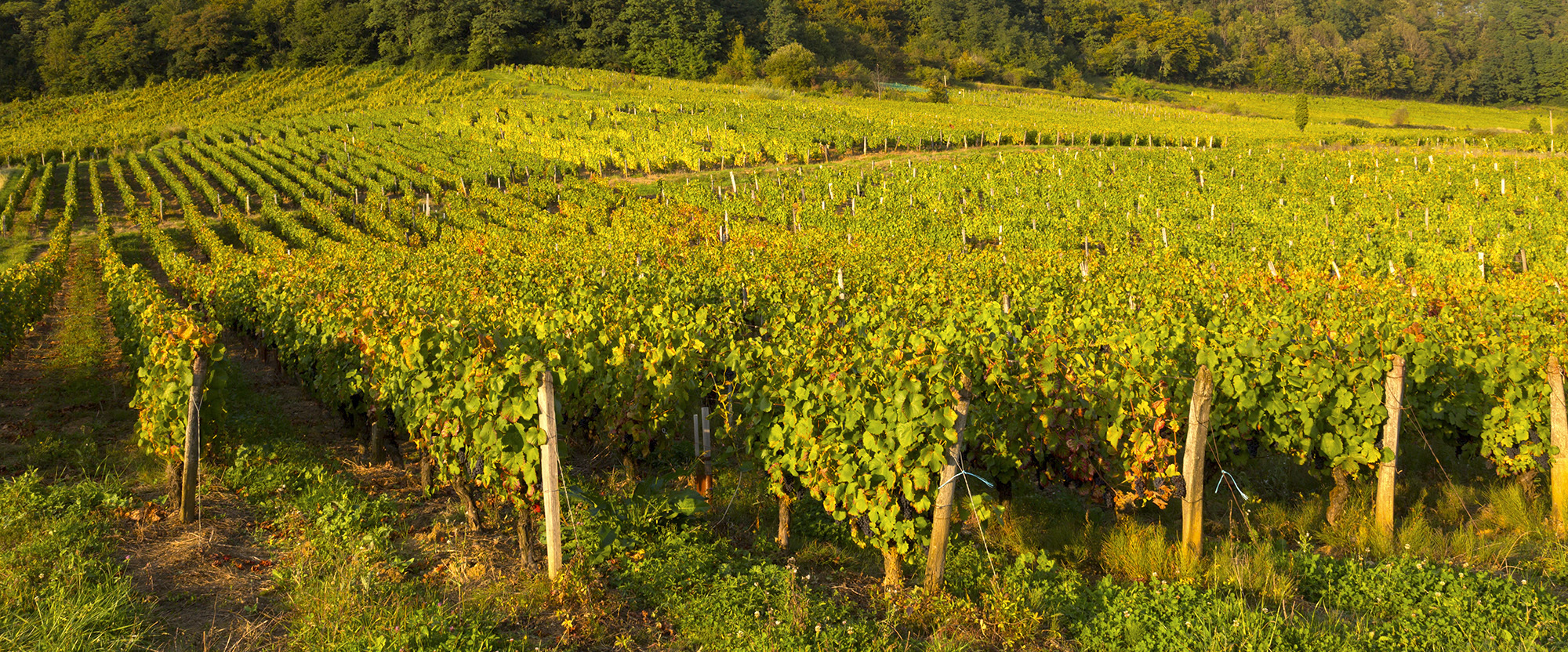
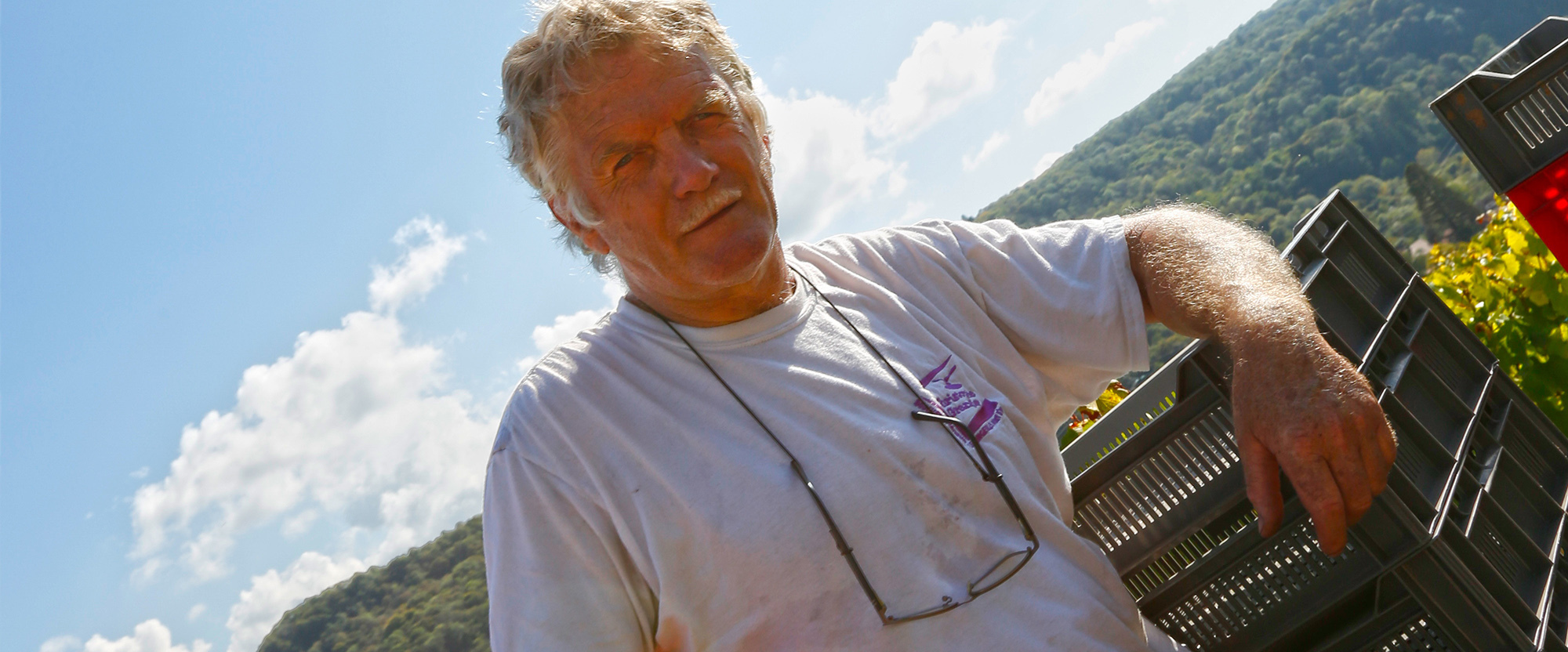
Aujourd'hui, Joris Faudot est à la tête du domaine. Lui et Michel Faudot son père, ainsi que Jean-Pierre Martin, héritiers d'une longue tradition perpétuent avec plus d'un siècle de savoir-faire, les méthodes de toujours, chargées d'histoire, pour produire des vins d'une grande noblesse. du 8 au 10 mars nous avons le plaisir de vous inviter au salon de Bordeaux
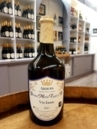
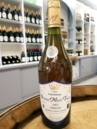
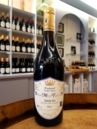
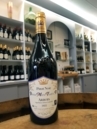
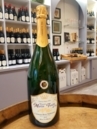
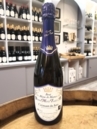
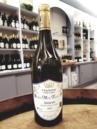
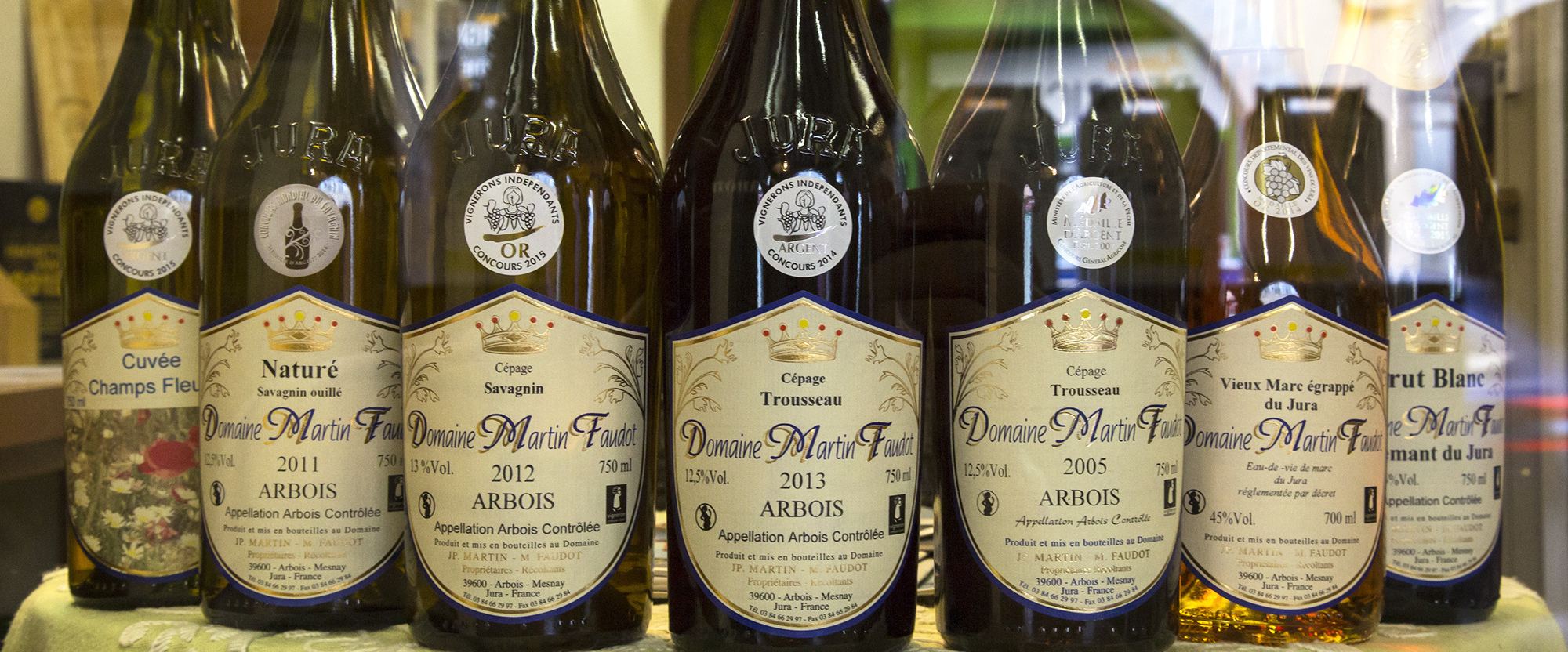
Voici quelques-unes de nos cuvées...
|
Panier
Aucun article

Paiement sécurisé
Avec la Banque Populaire
 ou par chèque ou par virement 
Livraisons
 ou par transporteur 
|


|
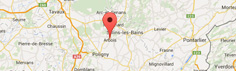
Domaine Martin Faudot & Fils 19 rue Bardenet 39600 ARBOIS-MESNAY 03 84 66 29 97
Suivez-nous sur les réseaux sociaux !
https://www.instagram.com/domaine_martin_faudot https://www.facebook/p/Domaine-Martin-Faudot-100070266944069/?locale=fr_FR
|